 Uncategorized
Before the Flight Bag: The Black Powder Possibles Bag
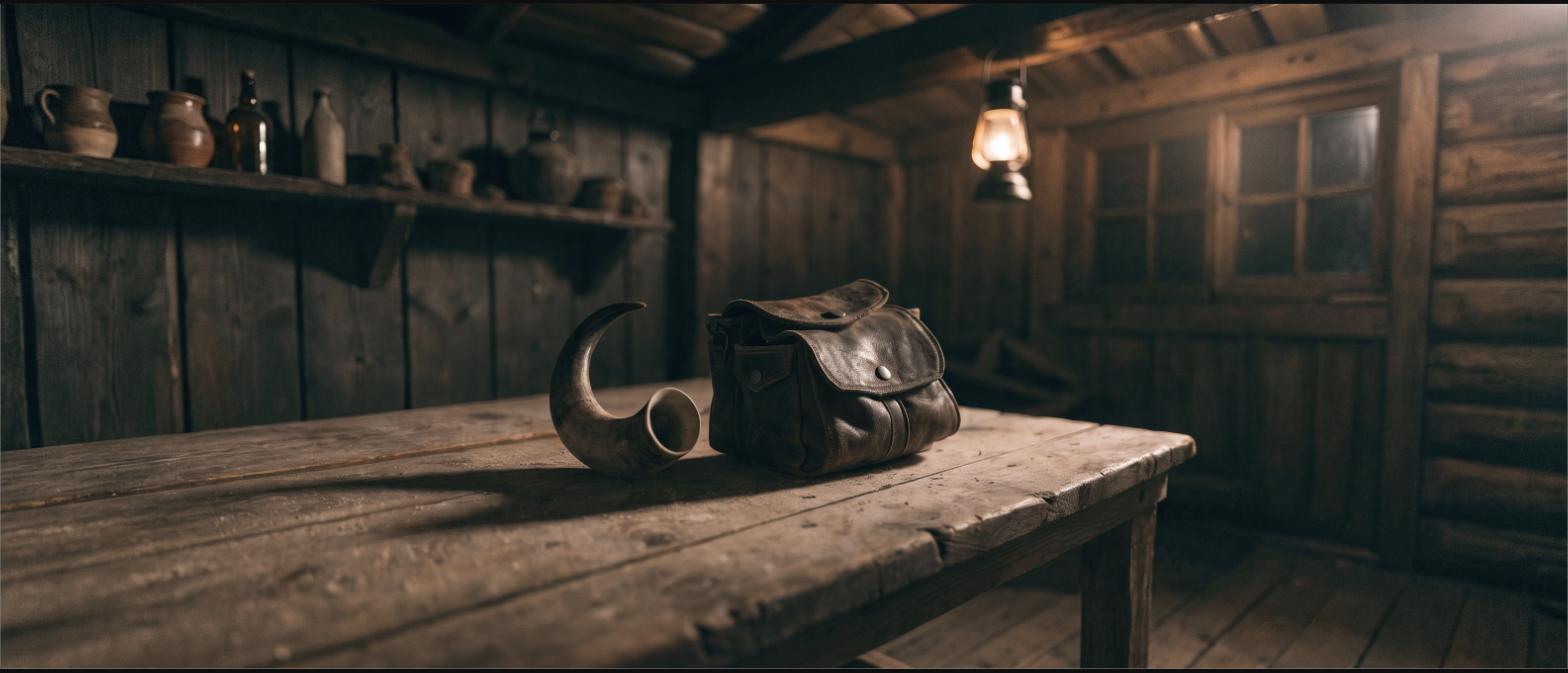
Walk through the maintenance side of any good aviation museum and you will find a glass case full of tool rolls, spanner sets and canvas kit bags. Every serious flying machine has always come with a companion object: the bag that holds everything needed to keep it running when there is nobody around to help. Long before anyone strapped a flight bag into a cockpit, American frontiersmen were carrying the same idea over one shoulder. They called it a possibles bag.
What It Was For
A muzzleloading rifle is not a self-contained machine. It is a system, and the shooter is the loading mechanism. Powder, patch, ball and ignition all arrive separately, in the right order, by hand. A misfire in the field is not a jam to be cleared, it is a maintenance job, and the parts have to be on you when it happens.
So the bag carried everything: measured powder, a horn to refill from, cast lead balls, greased patches, flints or percussion caps, a vent pick, a ball puller, a short starter, a patch knife and a screwdriver that fitted the lock. Nothing decorative, nothing spare.
Everything, Carried on the Operator
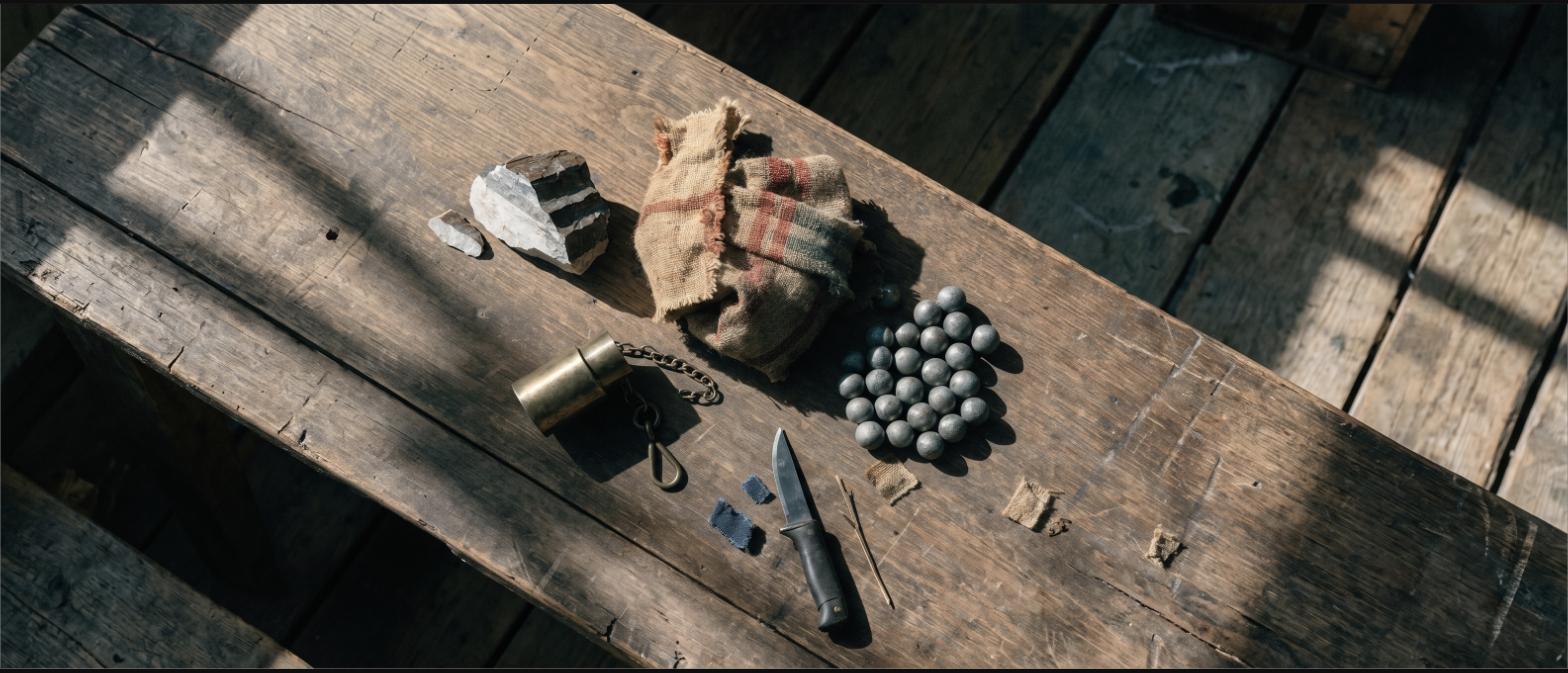
That is the part worth pausing on, because it is exactly the logic of an aircraft ground kit. You are a long way from a workshop, the machine will need attention, and the only spares that exist are the ones you brought. The design constraint is identical whether you are on a ridge in 1820 or a grass strip in 1930: small, light, ordered, and reachable without looking.
Original bags reflect it. They are modest in size, flat against the body so they do not swing when you walk, and divided inside so a hand can find the right thing by feel. Reproductions built to the old patterns keep those proportions. If you want to see how little has really changed, browse a range of black powder possibles bag designs and note how many are still laid out the way they were two centuries ago.

Watch: Possibles and Shooting Bags and What I Carry In Them (YouTube)
Why Museums Keep Them
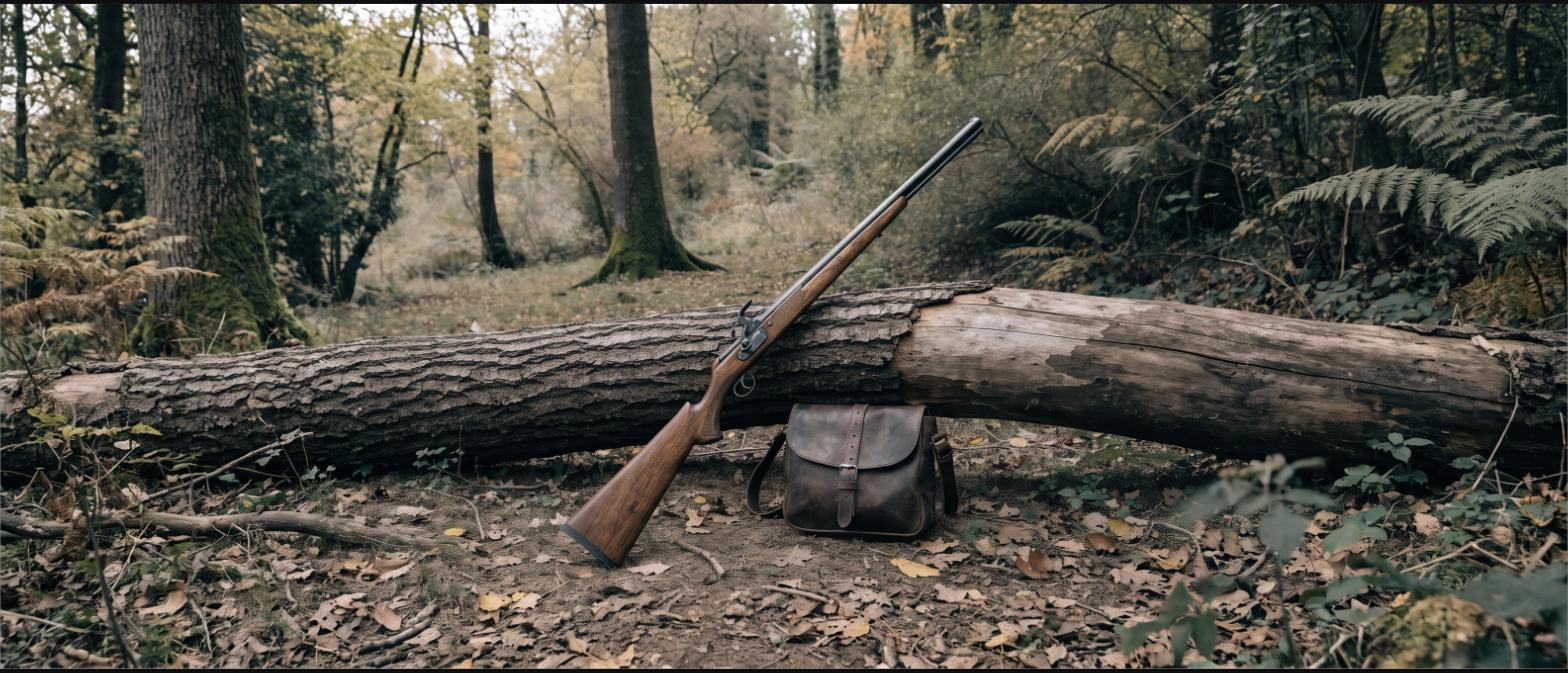
An original bag tells you more about how people actually lived than the rifle hanging above it does. The rifle is the headline. The bag is the operating manual, written in wear patterns, in what got carried and what got left behind, in which pocket is worn through first.
Aviation collections have the same quiet hierarchy. The airframe draws the crowd; the ground equipment beside it explains how anyone kept the thing airworthy. Curators know which one answers more questions.
Old Kit, Same Problem
We have not stopped building these. A modern pilot’s bag holds a headset, charts, a torch and a spare battery. A tool roll in a restoration hangar holds the specific handful of things that machine needs. Same object, different century. The possibles bag is simply the oldest version still in use, and it is worth a second look the next time you pass one in a case.