 Uncategorized
From Bird Wings to Wing Bones: A Curious Piece…

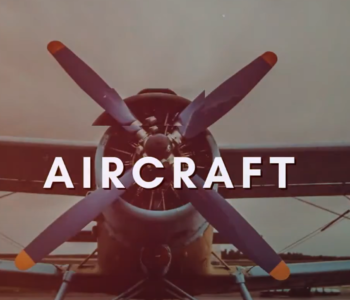
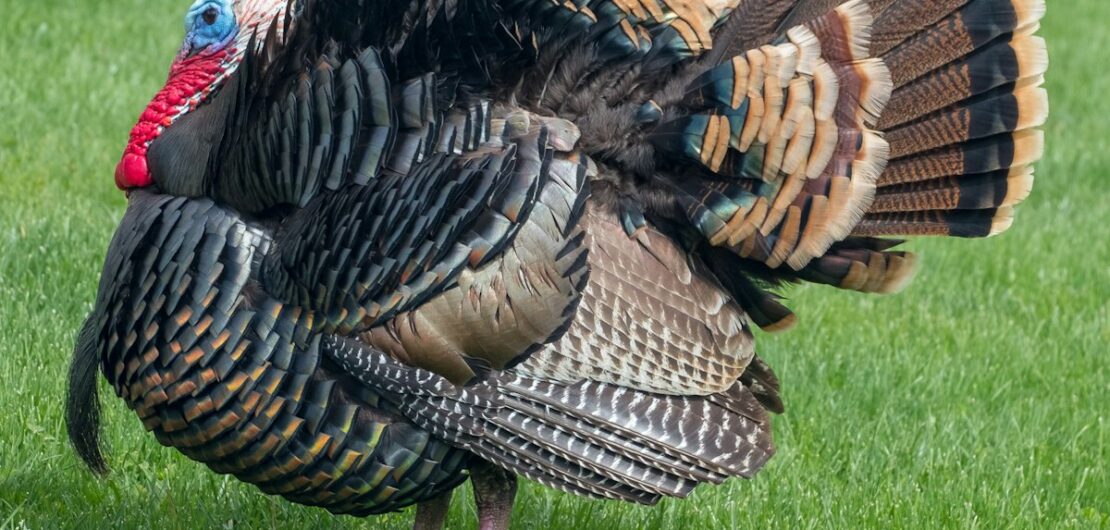
Long before the Wright brothers ever left the ground, would-be aviators studied the one thing that already had flight solved: birds. They were fascinated by wings — the geometry, the lightness, the hollow bones nature had engineered for lift. It is a short and surprising hop from that obsession to a small, old-fashioned object that honors those same bird wings from a completely different angle: the wingbone turkey call, built from the actual wing bones of a wild turkey.
A Call Made from Flight Itself
The wingbone call is one of the oldest game calls in North America, used for centuries before any factory made a plastic one. It is assembled from three hollow bones of a turkey’s wing, cut, cleaned, and fitted together into a slender trumpet. Those same air-filled, lightweight bones that help a bird get airborne turn out to be near-perfect little resonators — a quiet reminder that good design in nature rarely does just one job.
How a Wingbone Call Works

Unlike a call you blow into, a wingbone works on suction. The user kisses the small end and draws air in sharp little pulls, almost like a smooch, to produce the yelps, clucks, and soft purrs of a hen. It takes practice and a good ear, which is part of the charm — there is real craft in coaxing a lifelike voice out of three bones and a puff of air. Handmade wingbone turkey calls carry that tradition forward, each one a little different from the next.

Watch: Wingbone Turkey Call — How to Squeal, Cluck and Softly Yelp (YouTube)
Old Technology That Still Works
There is a nice parallel here for anyone who loves aviation history. The earliest flying machines looked primitive next to a modern jet, yet the principles they proved still hold the sky up today. The wingbone call is the same kind of artifact: simple, time-tested, and still perfectly effective centuries on. Progress rarely means throwing out what already works — it means understanding it well enough to build on it.
Two Kinds of Flight

It is a pleasing thought that the same wings which inspired our first airplanes also gave us one of hunting’s most enduring instruments. One took us into the sky; the other lets us speak, however briefly, in the language of the birds. Both begin with the same humble marvel — a wing — and both reward the curious person willing to study how it works.