 Uncategorized
Before the Flight Bag: The Black Powder Possibles Bag
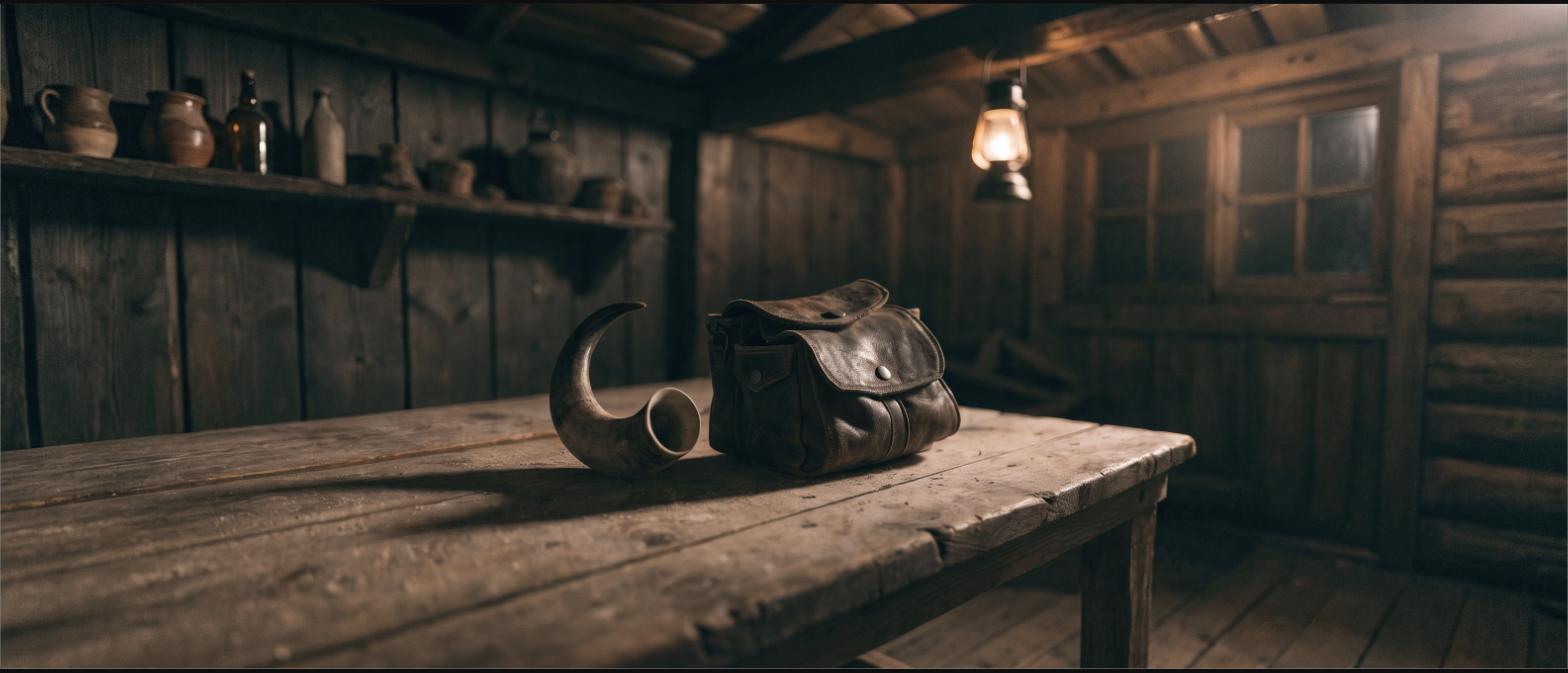
Walk through the maintenance side of any good aviation museum and you will find a glass case full of tool rolls, spanner sets and canvas kit bags. Every serious flying machine has always come with a companion object: the bag that holds everything needed to keep it running when there is nobody around to help. Long before anyone strapped a flight bag into a cockpit, American frontiersmen were carrying the same idea over one shoulder. They called it a possibles bag.
What It Was For
A muzzleloading rifle is not a self-contained machine. It is a system, and the shooter is the loading mechanism. Powder, patch, ball and ignition all arrive separately, in the right order, by hand. A misfire in the field is not a jam to be cleared, it is a maintenance job, and the parts have to be on you when it happens.
So the bag carried everything: measured powder, a horn to refill from, cast lead balls, greased patches, flints or percussion caps, a vent pick, a ball puller, a short starter, a patch knife and a screwdriver that fitted the lock. Nothing decorative, nothing spare.
Everything, Carried on the Operator
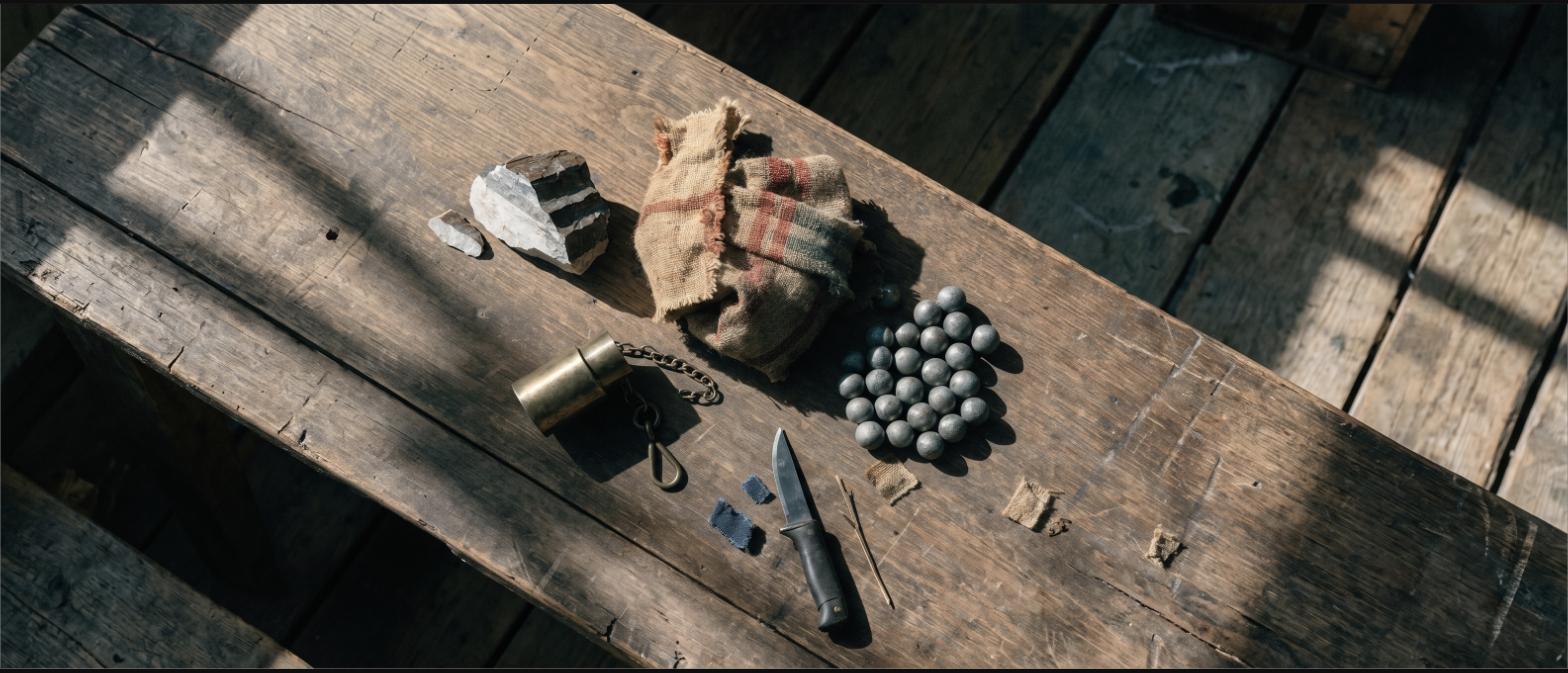
That is the part worth pausing on, because it is exactly the logic of an aircraft ground kit. You are a long way from a workshop, the machine will need attention, and the only spares that exist are the ones you brought. The design constraint is identical whether you are on a ridge in 1820 or a grass strip in 1930: small, light, ordered, and reachable without looking.
Original bags reflect it. They are modest in size, flat against the body so they do not swing when you walk, and divided inside so a hand can find the right thing by feel. Reproductions built to the old patterns keep those proportions. If you want to see how little has really changed, browse a range of black powder possibles bag designs and note how many are still laid out the way they were two centuries ago.

Watch: Possibles and Shooting Bags and What I Carry In Them (YouTube)
Why Museums Keep Them
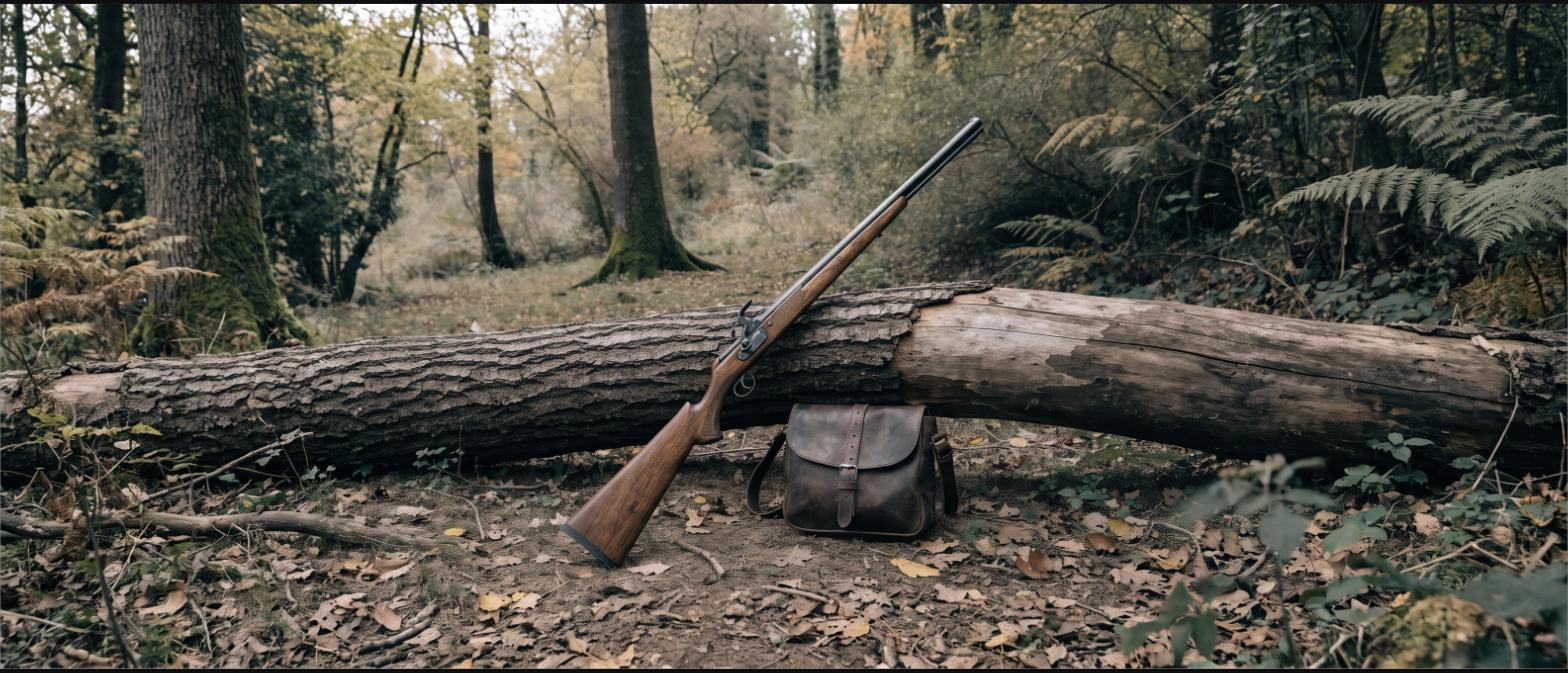
An original bag tells you more about how people actually lived than the rifle hanging above it does. The rifle is the headline. The bag is the operating manual, written in wear patterns, in what got carried and what got left behind, in which pocket is worn through first.
Aviation collections have the same quiet hierarchy. The airframe draws the crowd; the ground equipment beside it explains how anyone kept the thing airworthy. Curators know which one answers more questions.
Old Kit, Same Problem
We have not stopped building these. A modern pilot’s bag holds a headset, charts, a torch and a spare battery. A tool roll in a restoration hangar holds the specific handful of things that machine needs. Same object, different century. The possibles bag is simply the oldest version still in use, and it is worth a second look the next time you pass one in a case.


 Installing climate control in an airplane hangar involves several key steps to ensure optimal temperature and humidity management for the preservation of aircraft. First, it’s essential to assess the hangar’s size, construction, and insulation properties, as these factors significantly influence the effectiveness of climate control systems. Next, choose an appropriate system, which may include heating, ventilation, and air conditioning (HVAC) units, dehumidifiers, and air circulation fans to maintain a consistent climate. Proper insulation is critical; consider upgrading insulation in walls, ceilings, and doors to minimize temperature fluctuations and energy loss.
 Once the system is selected, professional installation is recommended to ensure efficiency and compliance with local building codes. The placement of HVAC units should be strategically planned for optimal airflow and even temperature distribution throughout the hangar. Additionally, installing automated controls, such as thermostats and humidity sensors, can help monitor conditions and adjust settings accordingly. There is no need to worry about compromising the aesthetics of the hangar, as
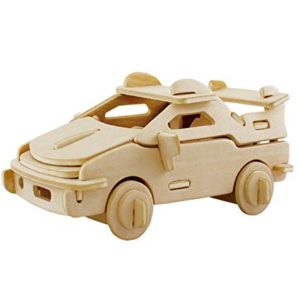 Kids love to build and create things. It is good for them to be able to do it. This is why there are so many model planes and car kits available to even preschool-aged children. You can find them in hobby stores or thrift stores all over the place. Some require an adult’s help and others are easily put together by kids. When kids start learning to create, it can open the door to many things in the future. It may even allow them to focus on restoring model planes with epoxy adhesive or building real ones in the future.
 The models for youngest kids are often snap together type models. They are simple to put together and ideal for even toddlers to put together with mom or dad’s help. The step up from that may be models with only a few different pieces that can be painted with watercolor paints and glued together with Elmers.
 The great thing about kids building models and such is that they develop an even bigger love of creating things. In the future, it could encourage them to build new and wonderful things. They may take up woodworking and create masterpieces. They could also get a job building or restoring actual planes with similar materials to what they used in their models. They may use aluminum, titanium, or heavy steel to build airplanes rather than plastic. Instead of Elmer’s glue, they may learn how to use epoxy and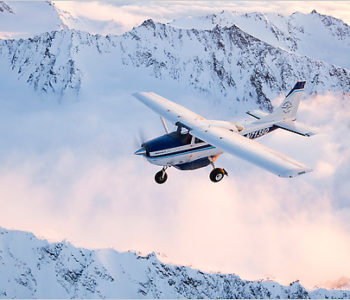
 One of the coolest things about airplanes is their ability to travel anywhere you need to go. The sky at any given time has between 8,000 and 20,000 planes mid-flight at any given moment. It changes throughout the year and based on day or night, but that is still a lot of planes. Most of them may be commercial airlines that promise to get you there quickly. Others may be personal jets, helicopters, and others that are all on a mission of some type. In Alaska, the number of private planes is very high, because planes can go where no other mode of transportation can go.
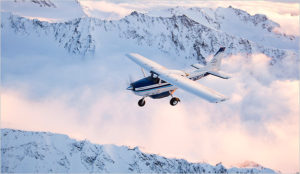 A large portion of Alaska is accessible by air or by sea. There are 400 public access airports and some offer short flights from one borough to another for a minimal fee. It is the fastest way to travel in an area that is rough and rugged. Even the capitol Juneau is not accessible by vehicles other than air or sea. In places like Barrow, you will discover that the only possible way to travel to it is air. Without airplanes, the approximately 4,500 people who call it home would be completely shut off from the rest of the world.
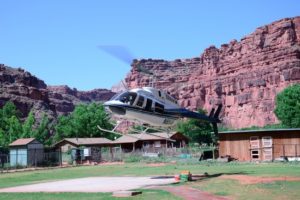 In the U.S. most areas are accessible by road, but it is not always convenient. There are many people who thrive away from modern conveniences. The exception is places like Supai Village, Arizona where mail is still delivered by mule because vehicles cannot easily travel into the area. Angle Inlet, Minnesota is only accessible by boat. You have to travel into Canada and then make a southern turn to reach this little town of about 60 people. In Montana, towns like Winnett have roads and vehicles, but the nearest large city is hundreds of miles away. The closest airport is 96 miles away by land. It is in Yellowstone County. People who live
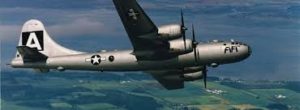 Since the beginning of time, humans have had a fascination with flying. The desire to soar like a bird, travel faster, and other things have spurred us on to constantly evolve the idea of flying. Throughout history, virtually every era had its own unique ideas on what would make flight possible. An aircraft museum is the only place you will ever go to get a true sense of how far we have come. Are you ready to take a tour to see what you can learn about history?
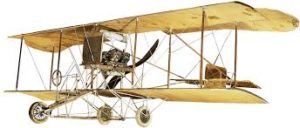 It is rumored that the first self-propelled, bird-shaped was designed and built in 400 BC in Greece, by Archytas. He was among many things, a scientist at the Pythagorean school and is most famous for being reputed as the founder of mathematical mechanics. He was also a good friend of Plato, another philosopher, among many things.
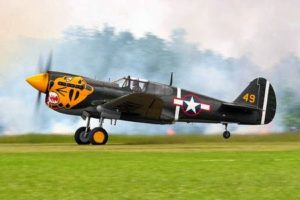 The 1900s saw technology and airplane meeting as one. By 1910, aircrafts were jet-propelled and crossing the English Channel. A few years later, during World War I, planes were crossing the ocean. By the 1960s, we had Boeing 707s.